Headless WordPress for Faster Local Business Websites
Headless WordPress for Fast Local Websites
Headless WordPress is a modern way to build a fast local website. WordPress still manages the content, but a separate frontend handles what visitors see in the browser. That split can improve speed, simplify performance tuning, and give you more control over the user experience.
For local businesses, that matters. People searching for services nearby usually want quick answers, clean pages, and a site that works well on mobile. If a page feels slow or clunky, visitors leave before they ever see the offer.
What Headless WordPress Means
In a traditional WordPress setup, the same system manages both the content and the page display. Themes, plugins, scripts, and layout code all work together on the public site.
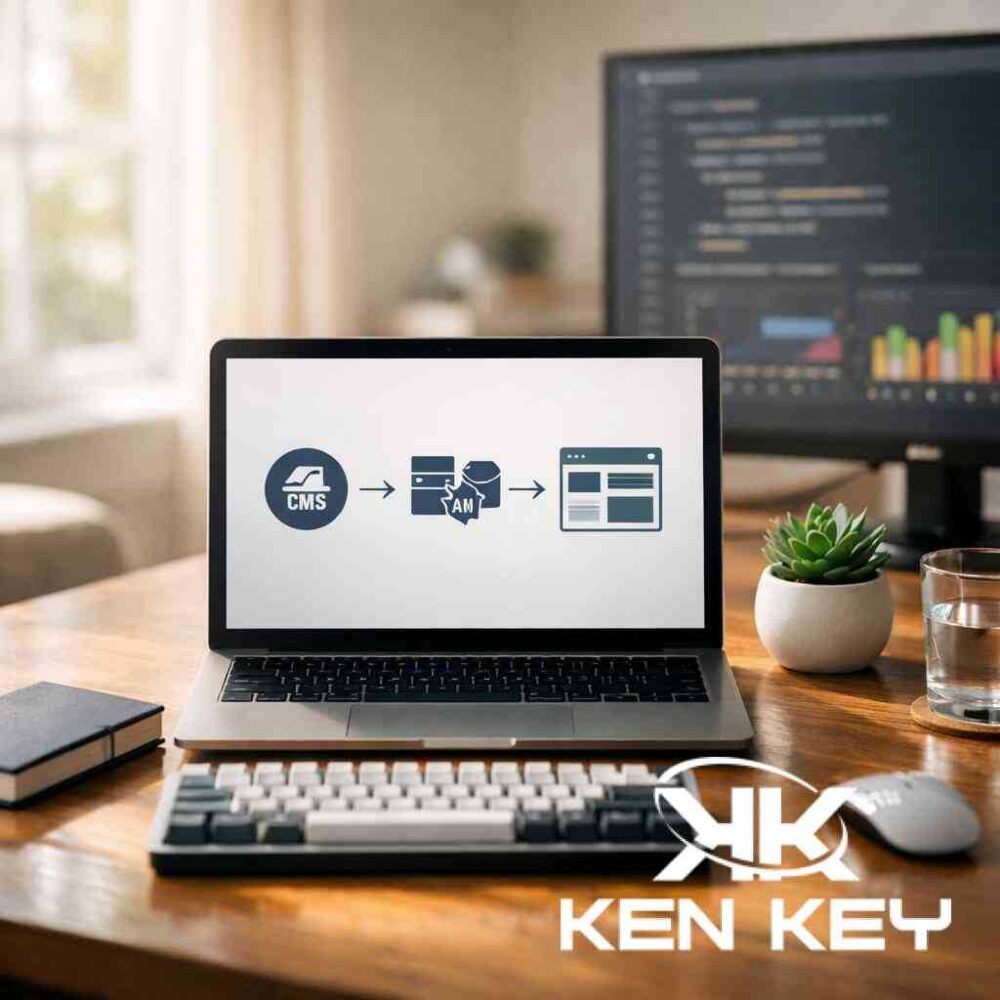
In a headless setup, WordPress becomes the content hub only. The frontend is built separately, often with a modern framework such as React or Next.js. That frontend pulls content from WordPress and presents it to the visitor.
This changes the architecture in an important way:
- WordPress stays in charge of editing and publishing.
- The frontend can be built for speed and flexibility.
- Developers can reduce unnecessary scripts and layout bloat.
- The public site can feel lighter and more responsive.
Why Local Websites Slow Down
Many WordPress sites feel slow for the same few reasons. It is usually not the content itself. It is the extra weight added around it.
Common causes include:
- Heavy themes with lots of built-in features
- Too many plugins doing overlapping jobs
- Page builders that generate extra markup
- Large images that are not optimized
- Third-party scripts for chat, tracking, popups, or embeds
- Fonts, icons, and animations that add extra requests
These problems are common on small business sites because owners often add tools one by one over time. Each one may seem harmless, but together they create a slow experience.
Why Speed Matters for Local Search
For a local business website, speed affects more than user comfort. It affects trust, engagement, and often conversion.
When a visitor from a nearby area lands on your site, they are usually comparing you with other local options. If your page loads slowly or shifts around while loading, that creates friction. People do not wait long.
A fast site helps with:
- Better mobile usability
- Stronger Core Web Vitals
- Lower bounce risk
- Cleaner reading experience
- More efficient crawling and indexing
Speed does not replace good content or strong service pages. But it supports both. A well-written page performs better when it loads quickly and stays stable.
Where Headless WordPress Helps Most
Headless WordPress is not the right choice for every site, but it is especially useful when performance is a priority.
It can be a strong fit for:
- Local service businesses that want a polished, fast frontend
- Brands that need custom interactions or app-like behavior
- Sites with performance goals that are hard to meet in traditional WordPress
- Projects that need tighter control over front-end code
- Teams that want a modern editorial workflow without a heavy public theme
It is also useful when a site needs to scale beyond a basic brochure layout. If the frontend must feel custom, lightweight, and highly tuned, headless architecture gives more room to work.
When Traditional WordPress Is Still the Better Choice
Headless WordPress sounds appealing, but it is not always the simplest or best option. For many small local businesses, a clean traditional WordPress build is still the most practical choice.
A standard WordPress site may be better when:
- The site is mostly content pages and service pages
- The design needs are straightforward
- The team wants easier editing and maintenance
- The budget should stay focused on content and SEO
- The site does not need a separate app-style frontend
In those cases, a well-built WordPress site with lean code, good hosting, and careful plugin use can perform very well. Sometimes the smartest move is not a more complex stack. It is a simpler one built correctly.
What a Better Performance Strategy Looks Like
Whether you choose headless WordPress or a traditional setup, the goal is the same: a fast, stable, easy-to-use website.
A good performance strategy usually includes:
- Lightweight page structure
- Optimized images in modern formats
- Fewer third-party scripts
- Semantic HTML and clean layouts
- Caching and smart asset loading
- Mobile-first design decisions
- Careful attention to Core Web Vitals
The biggest improvement often comes from removing what is unnecessary. Many websites do not need more features. They need less code, fewer distractions, and a clearer path to the main content.
Practical Decision Guide
If you are deciding between headless and traditional WordPress, ask a few simple questions:
- Is speed one of the top priorities?
- Does the frontend need custom behavior that a theme cannot handle well?
- Will the site have ongoing content updates from non-technical editors?
- Do you need a very polished mobile experience?
- Are you prepared for the extra development complexity that headless brings?
If the answer to most of these is yes, headless may be worth considering. If not, a streamlined WordPress build may be the more efficient path.
Final Thoughts
Headless WordPress is a strong option for fast local websites because it separates content management from frontend delivery. That gives developers more control over performance and lets visitors experience a lighter, faster site.
Still, headless is not automatically better for every project. The best choice depends on goals, content needs, and available resources. For some businesses, headless WordPress is the right foundation for speed and flexibility. For others, a clean traditional build is easier to manage and just as effective.
The key is to build for the user first. If the site loads quickly, feels stable, and makes information easy to find, it is already doing its job.
What Is Headless WordPress for Fast Local Websites


Comments
Post a Comment