Fast WordPress Sites in 2026: 5 Reasons They Win
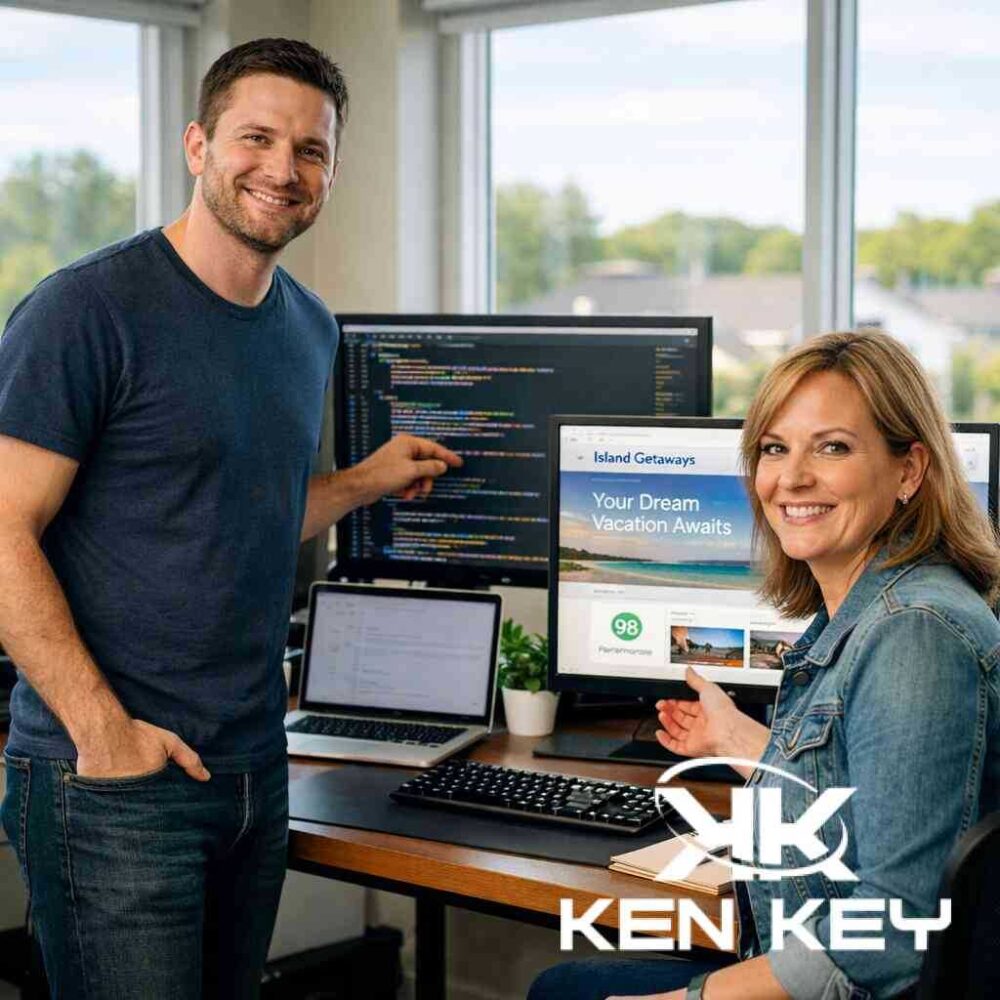
Fast WordPress Sites in 2026: 5 Reasons They Win
Fast WordPress sites are not just nicer to use. They support better engagement, stronger SEO performance, and more trust from visitors who expect pages to load quickly. In 2026, speed is still one of the clearest signs of a well-built website.
Ken Key’s approach to WordPress development focuses on building lean, stable sites that do not waste time or resources. Instead of piling on features, the goal is to create a site that feels quick, clear, and easy to navigate. This guide breaks down five reasons that approach works so well.
1. Hand-built sites avoid theme bloat
Many WordPress sites slow down because they rely on heavy themes and page builders. Those tools often add extra layers of code, scripts, and styling that the site does not truly need. The result is a page that looks fine on the surface but performs poorly behind the scenes.
A hand-built WordPress stack is different. It uses only the parts that matter. That usually means:
- Less unnecessary code
- Fewer plugin conflicts
- Smaller page weight
- Cleaner mobile behavior
- Faster loading times
When a site is built with performance in mind from the start, it is easier to keep it fast over time. That matters for businesses that want a site to support leads, not frustrate visitors.
2. Semantic HTML makes pages lighter and clearer
Good structure helps both users and search engines. Semantic HTML tells browsers what each part of the page means. It also makes content easier to interpret for assistive technology and easier for search engines to crawl.
This matters because a page that is organized clearly usually renders more efficiently. It does not have to fight through layers of decorative markup or confusing layout shortcuts. Instead, the browser can load and display the important content sooner.
A clean structure often includes:
- Proper heading order
- Clear navigation
- Simple content sections
- Meaningful buttons and links
- Minimal markup noise
That combination improves both usability and speed. It is one reason accessibility and performance should be treated as connected goals rather than separate tasks.
3. Fewer plugins means fewer slowdowns
Plugins can be useful, but too many of them create problems. Each one may add scripts, styles, database queries, or background processes. Even when plugins are well made, they can still increase the work the browser and server must do.
A faster WordPress build keeps plugin use focused and intentional. That does not mean avoiding useful tools. It means avoiding unnecessary ones. If a feature can be built cleanly into the theme or handled with a lighter solution, that often leads to a better result.
This is especially important for business websites that depend on dependable performance. A site with fewer moving parts is usually easier to maintain, easier to troubleshoot, and less likely to break during updates.
4. Better speed helps SEO and user behavior
Speed affects more than convenience. It shapes how people interact with a site and how search engines evaluate it. If a page loads slowly, visitors are more likely to leave before reading the content or contacting the business.
A faster site can support:
- Better engagement
- Lower bounce behavior
- More time on page
- Stronger mobile experiences
- Better technical SEO fundamentals
This is why Core Web Vitals matter. They are not just technical numbers. They reflect the real experience users have on the site. When load time, visual stability, and responsiveness are handled well, the site feels more professional and trustworthy.
For local businesses, that can make a noticeable difference. A visitor who gets a fast, stable experience is more likely to keep exploring instead of clicking away.
5. Custom builds support long-term growth
A fast WordPress site should not only perform well on day one. It should stay reliable as the business grows. Custom development makes that easier because the site is built around the real goals of the business, not around the limits of a generic template.
That means the website can be planned for:
- Clear conversion paths
- Strong mobile performance
- Easier content updates
- Better code maintainability
- Smarter future scaling
This matters because many sites become slow over time as owners add more tools, more sections, and more fixes without a clear system. A custom foundation helps prevent that problem. It gives the site a structure that can support future changes without becoming bloated.
What a fast WordPress site usually gets right
A strong build is rarely about one single trick. It is the result of many small decisions working together. The best fast WordPress sites usually have:
- A lean codebase
- Minimal plugin dependency
- Clear page structure
- Optimized images
- Smart asset loading
- Good mobile responsiveness
- Stable hosting and caching support
When all of those pieces are handled well, the site feels smoother and more professional. That creates a better experience for visitors and a better foundation for search visibility.
Final thoughts
Fast WordPress sites win because they respect the user’s time. They load more quickly, feel easier to use, and give search engines a cleaner site to understand. Ken Key’s approach shows that speed is not an afterthought. It is part of the strategy from the beginning.
If a WordPress site feels heavy, the solution is usually not more plugins or more design layers. It is a better build. A leaner structure, cleaner code, and fewer unnecessary features can make a major difference in how a site performs.
That is why fast websites remain one of the smartest investments a business can make in 2026.
Top 5 Reasons Ken Key Builds Fast WordPress Sites 2026


Comments
Post a Comment