Mastering React Server Components for Fast New York Websites
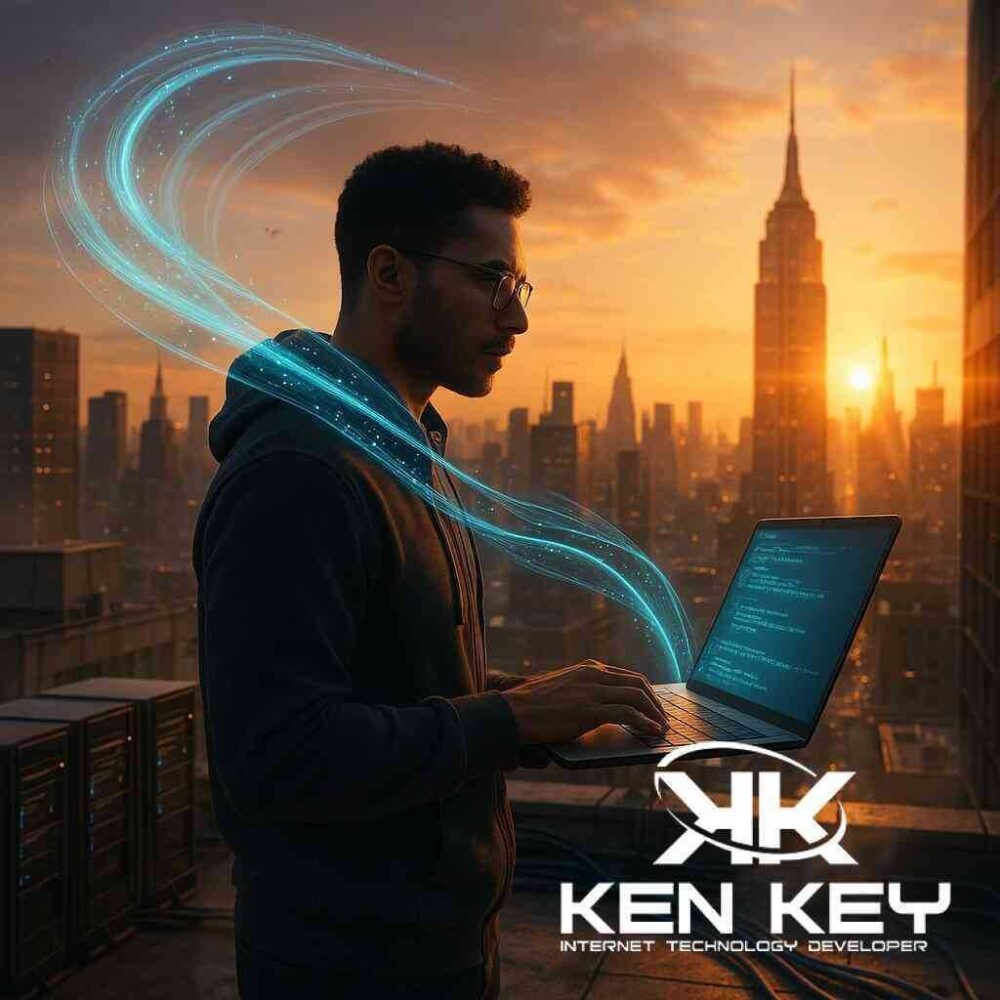
React Server Components Hit the New York Scene
Long Island cafés and Midtown lofts are buzzing with one topic: pushing React farther with server components and Suspense. The promise is simple—deliver the speed of classic server-rendered pages with the composability of modern JavaScript. This guide unpacks why the approach matters for New York agencies and how any front-end or full-stack professional can begin.
What Are Server Components?
A React server component is a piece of UI rendered entirely on the server. Instead of shipping the component’s logic to the browser, the server sends ready-to-use HTML plus a tiny descriptor telling React how the piece fits into the larger tree. No heavy bundle reaches the device, so:
- First paint appears fast, even on subway Wi-Fi.
- Sensitive operations—database queries, secret keys, and payment tokens—never leave the data center.
- The same component model you use on the client still applies, keeping code organization familiar.
With Suspense, React can stream these server-rendered fragments gradually. Skeletons show immediately; richer widgets hydrate only when needed. The effect feels close to native apps without forcing users to download megabytes of JavaScript.
Why New York Projects Benefit
New York audiences move quickly. A fashion buyer checking inventory from a taxi or a tourist booking Broadway seats between subway stops will leave if a page lags. Server components solve three chronic problems that local agencies face:
- Congested Networks – Midtown towers create cellular dead zones. Smaller bundles mean fewer retries.
- Battery Drain – Tourists rely on phones all day. Less client code equals lower CPU use.
- SEO Pressure – Competitive local keywords demand fully rendered HTML at crawl time. Server components supply it without extra plugins.
Comparing to Traditional SPA Delivery
| Aspect | Classic SPA | Server Components |
|---|---|---|
| Initial download | Entire JS bundle | Only markup and minimal script |
| Data fetching | Browser pulls API then renders | Server fetches, embeds HTML |
| Protected secrets | Must proxy or obfuscate | Stay on server by default |
| SEO readiness | Requires prerendering workarounds | Instant because HTML is complete |
How Suspense Enhances Perceived Speed
Suspense lets you mark parts of the tree as non-blocking. React sends a fallback layout first, then streams the finished HTML chunk the moment it is ready. Users see a stable skeleton instead of a blank page. Implementing the pattern typically involves:
<Suspense fallback=<ProductGridSkeleton />>
  <ProductGrid category="hats" />
</Suspense>
On older SPAs, you would still ship the entire grid component to the browser before rendering. With server components, the grid runs on the server, finishes the database query, and streams the filled markup—no extra bundle size.
Progressive Hydration for Mobile-First Interfaces
After HTML arrives, React only hydrates interactive islands visible in the viewport. Scroll deeper, and additional islands wake up lazily. This progression keeps Time to Interactive low:
- Above-the-fold elements hydrate instantly.
- Viewport-adjacent modules hydrate on intersection observer callbacks.
- Off-screen widgets wait until the user scrolls near them.
The outcome is delightfully smooth scrolling, even on E-train commutes.
Practical Steps to Adopt the Pattern
- Upgrade Tooling – Use the latest React and a framework that supports streaming (Next.js 14 or Remix with experimental flags).
- Audit Components – Identify heavy client modules—charts, rich editors, complex lists. Convert read-only or secure parts first.
- Design Skeletons – Provide lightweight placeholders that match final dimensions to avoid layout shifts.
- Isolate Secrets – Move API keys, payment logic, or business rules into server components so they never bundle.
- Measure, Iterate, Repeat – Track Core Web Vitals. Largest Contentful Paint should drop immediately; if not, inspect cache headers and image delivery.
Common Pitfalls to Avoid
- Over-hydrating – If every element becomes interactive, you lose the benefit. Keep islands purposeful.
- Global State Confusion – Server components cannot hold client state. Pass only serializable props and move complex client behavior into separate islands.
- Cache Neglect – Remember that each server component can be cached at the edge. Configure policies so repeat visitors load even faster.
The Broader Full-Stack Story
For agencies that grew up on LAMP stacks, server components feel familiar because rendering shifts back to the server. Yet you still write modern JSX with hooks, and you can selectively opt into client code. Backend and front-end teams collaborate in the same repository without fighting over template languages.
Security teams also gain peace of mind. APIs do not traverse public networks; they run next to your database. Compliance reviews become simpler, and breach surfaces shrink.
Looking Ahead in 2026
Edge platforms now execute JavaScript at points of presence in Manhattan, Newark, and even Montauk. When server components run on these edge servers, latency drops under 30 ms for most tri-state users. Paired with Suspense streaming, entire pages feel instantaneous.
Expect the pattern to permeate CMS workflows, e-commerce builders, and internal dashboards by year-end. Early adopters are already shipping features faster because they write fewer loading states and lean on the framework’s streaming ability.
Key Takeaways
- React server components cut bundle size and secure sensitive logic.
- Suspense streams HTML in stages, turning waits into pleasant anticipation.
- Progressive hydration lets mobile pages remain responsive under tight network constraints.
- New York businesses win on SEO, speed, and developer velocity simultaneously.
Server components are not a silver bullet, but they push web performance where New York audiences expect it: immediate, engaging, and reliable—even when the LIRR loses signal under the East River.
Ken Key Explores Server Components with React in New York


Comments
Post a Comment